
Pricing Strategy for Elective Ultrasound Packages: The Complete Guide
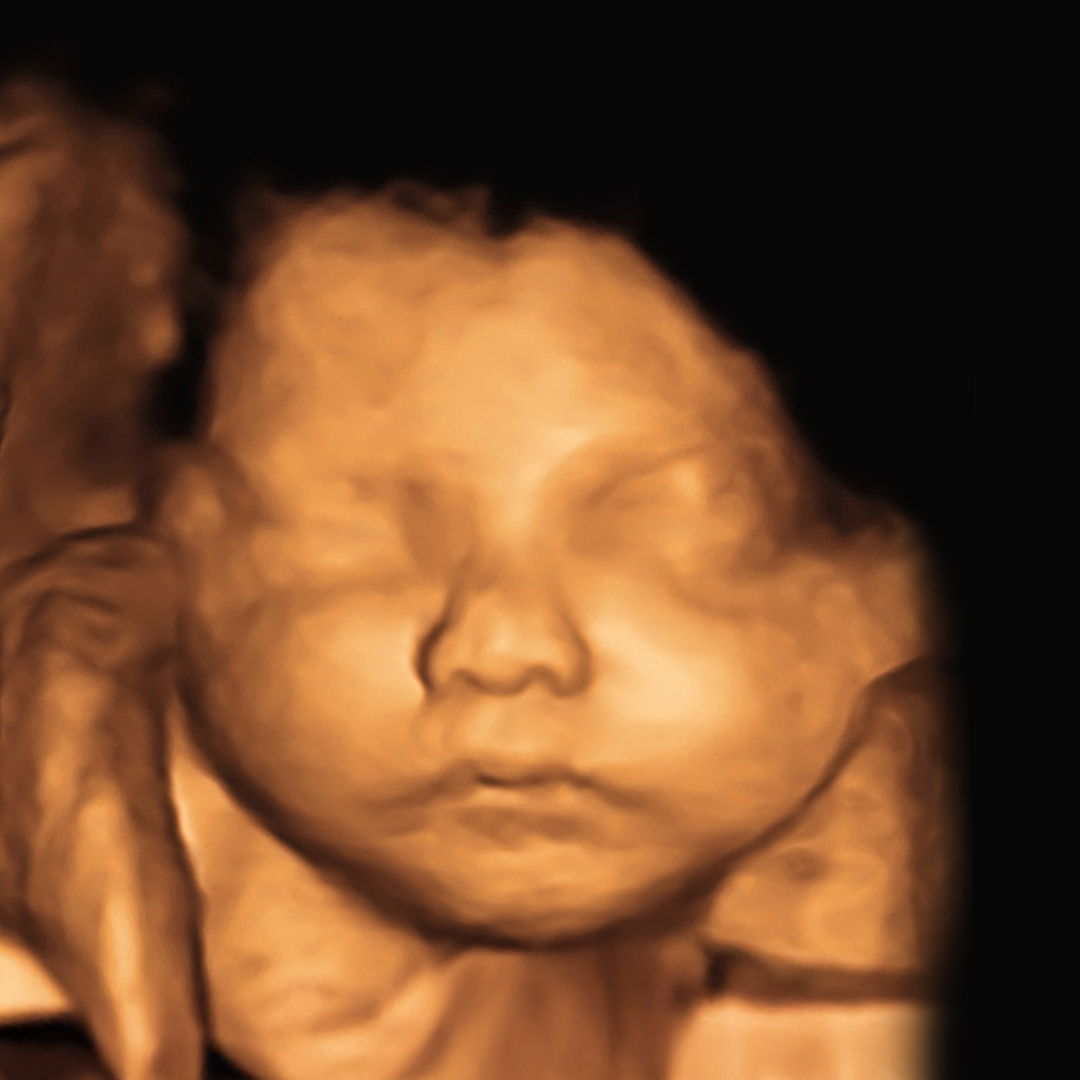
TL;DR — Boutique elective ultrasound is the most under-priced segment in the wellness/keepsake industry. The median studio charges $129 for a 30-minute session that competing categories (newborn photography, maternity shoots, prenatal massage) routinely charge $250+. The fix isn't to raise prices across the board — it's to restructure your package architecture, install proper anchoring, and stop discounting. Studios who do this lift average ticket by 50–70% without losing volume.
Walk into ten elective ultrasound studios and you'll see ten different pricing structures. Some have eight tiers. Some have three. Some hide their prices entirely until you call. Most of them are leaving 40–70% of possible revenue on the table.
Pricing is the single most leverage-able decision your studio makes. A 20% increase in average ticket — at the same scan volume — falls almost entirely to the bottom line. Here's the playbook.
The three failures every studio makes
Failure 1: Too many packages
If your menu has seven tiers, your client experiences decision paralysis and defaults to the cheapest one. Choice architecture research (going back to the classic Sheena Iyengar jam study) is clear: more than 4 options collapses conversion.
Failure 2: No anchor tier
If your packages are $99, $129, and $179, there is no anchor. The client perceives $179 as "the expensive one" and defaults to the middle. Without an anchor at $300+, your "premium" tier never feels premium.
Failure 3: Reflexive discounting
"First-time mom discount." "Sibling discount." "Tuesday special." "Bring a friend." Every discount trains your market that your prices are negotiable. Stop.
The 4-tier package architecture
This is what works in 2026:
Tier 1: Gender Reveal — $79
- 15-minute scan, 14–18 weeks
- Gender determination, 5 digital photos
- Phone delivery via studio app
Role: Top-of-funnel. Low-commitment trial. Cheap enough to feel like an impulse buy.
Tier 2: Signature 3D/4D — $169
- 30-minute scan, 27–32 weeks
- Full digital gallery, 4D video clips
- Phone delivery + cloud storage
Role: The hero package. This is what 60%+ of clients should buy.
Tier 3: Premium AI Portrait — $239
- Everything in Tier 2
- Plus on-site AI portrait (using technology like [BabyView AI](/babyview-ai))
- Heartbeat keepsake (stuffed animal with audio)
- 15-minute extended session
Role: The new flagship. This should be your most-purchased tier. If it's not, your Tier 2 is over-priced or your Tier 3 is under-delivering.
Tier 4: The Anchor — $389
- Everything in Tier 3
- Plus a "final look" mini-session at week 35–36
- Professional in-studio reveal video for social media
- Printed 11x14 AI portrait
Role: The anchor. Almost no one buys this. That's the point. It makes Tier 3 look reasonable by comparison.
The anchoring math
Here's why anchoring works. When a client looks at your menu:
Without an anchor:
- $79, $169, $239
- Client perceives: cheap / mid / expensive
- Default behavior: "I'll get the mid one." → $169
With an anchor:
- $79, $169, $239, $389
- Client perceives: cheap / mid / premium / wow that's a lot
- Default behavior: "The $389 is too much, but the $239 looks reasonable compared to it." → $239
That's a 42% lift in average ticket with zero change to the actual product mix. Tier 4 just has to exist.
The four pricing tests every studio should run
Test 1: The Tuesday Discount Removal
Stop discounting on slow days. Volume on those days doesn't change as much as you think — and now you're getting full price.
Expected lift: 4–8% on average ticket.
Test 2: The $20 Upcharge for Phone Delivery
If your packages include phone delivery via [Bomee Core](/bomee-core), most clients now expect it. Stop including it for free. Charge $20 as a separate line item ("Instant Phone Delivery Add-On") and watch 85%+ attach.
Expected lift: $17 per scan on average.
Test 3: The Premium Tier Reframe
Stop calling your top tier "Premium" or "Deluxe." Call it "The Portrait Experience" or "The Signature Session." Name-changing alone has been shown to lift attach rate by 8–14% in retail studies.
Test 4: The $X9 Test
Change all your prices from round numbers ($170, $230) to charm prices ($169, $229). This is the oldest pricing test in the book, and it still works.
Expected lift: 3–6% on conversion.
Discounting: when (almost never) and how
The two situations where discounting is actually rational:
1. Bundling
A "Three Visit Bundle" at a tiny discount ($329 for three visits worth $337) drives commitment, not margin loss. The discount is functionally zero.
2. Referral mechanics
A $25 credit given to a referred friend (not the existing client) drives word-of-mouth. This is acquisition spend, not discounting.
Everything else — Tuesday specials, first-time mom discounts, military/teacher discounts, off-season pricing — actively trains your market to wait for a deal. Stop.
The "value, not price" upgrade
Here's the highest-leverage move most studios miss. The same package can be sold two ways:
Sold as a price: "$169 for a 30-minute 3D/4D session, includes 5 photos and a 4D video."
Sold as a value: "Your baby's first portrait. A 30-minute session in our dim-lit suite with seating for your whole family, a 4D video of every yawn and stretch, and every photo delivered to your phone before you leave. $169."
Same product. Different ticket size, because the second version reframes the buyer's mental category from "ultrasound" to "experience."
A note on competing with cheaper studios
There will always be a studio down the street charging $99. Don't compete with them. The clients you want — the ones who book the premium tier, leave 5-star reviews, and refer their friends — are actively repelled by ultra-low prices, because cheap pricing signals low quality in keepsake businesses.
The right framing isn't "we're more expensive." It's "we're a different category."
A useful comparison point: a typical [newborn photography session](/customer-stories) in the same metro charges $400–$700. A maternity shoot is $300–$500. Your competitor isn't the cheap ultrasound studio — it's the photographer. Price accordingly.
The 90-day pricing rollout
If you're starting from a typical $99 / $129 / $179 structure:
- Weeks 1–2: Add the $389 anchor tier. Don't change anything else.
- Weeks 3–6: Reframe your Tier 3 as "The Portrait Experience" with the AI portrait included.
- Weeks 7–10: Stop all reflexive discounting. Track conversion weekly.
- Weeks 11–12: Raise Tier 2 from $129 to $169. Hold Tier 3 at $239.
Most studios complete this rollout with zero booking-volume drop and a 35–55% lift in average ticket.
Ready to redesign your pricing?
Pricing is one of the things we coach on inside every Bomee partner relationship — not as an add-on service, but because the workflow improvements only pay off if the pricing is right. [Schedule a partnership call](/contact-us) and we'll walk through your current packages on a screen-share, with no commitment.